
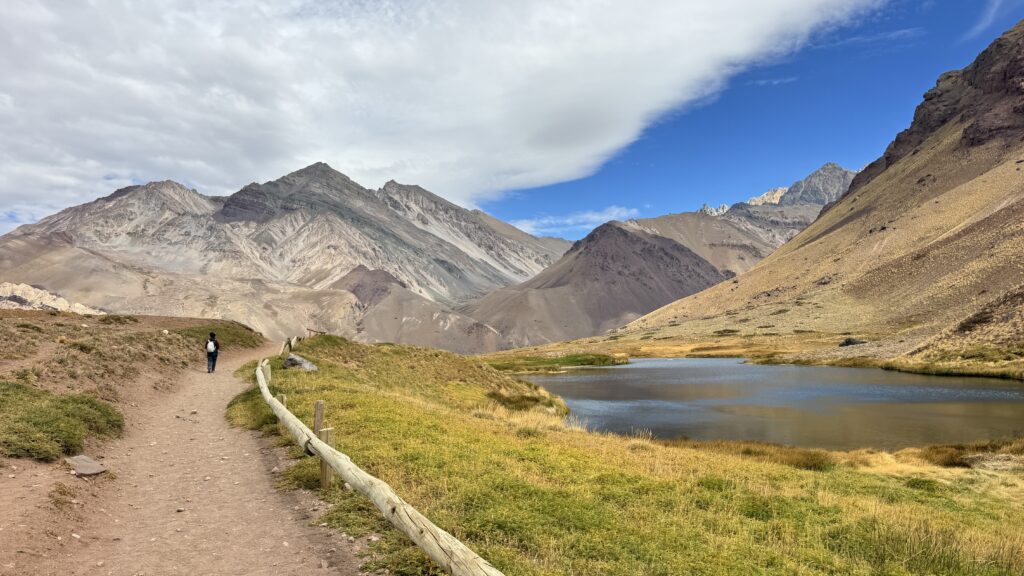
Image: Parque Nacional Aconcagua along Ruta 7, Mendoza Province, Argentina.
Highlights
– A 16-night itinerary to visit scenic and cultural destinations in Mendoza Province, Argentina.
Time of Visit: April 2026
Duration of Visit: 16 Nights
Description
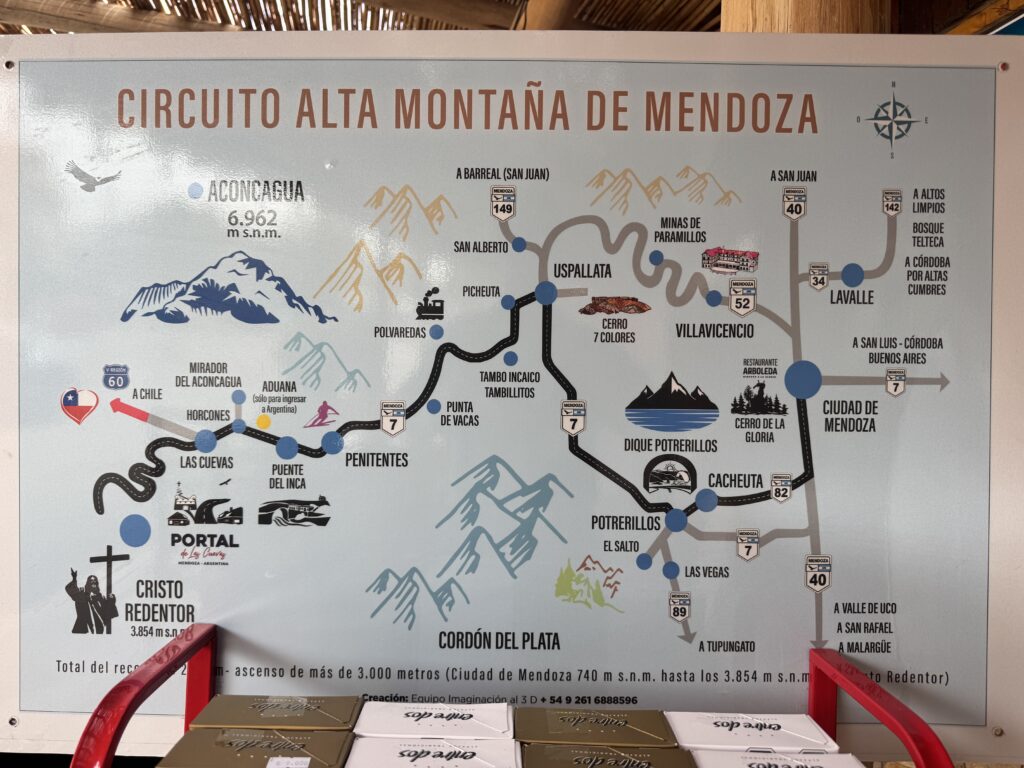
When most people hear the word “Mendoza, Argentina”, they most likely think about Malbec wine and the country’s fourth largest city, Mendoza City. Mendoza City has nice parks, numerous bodegas, restaurants and tree lined streets. But there is more to see and do beyond this city.
Mendoza Province covers 148,877 sq km (57,462 sq mi). Most of the landscape, especially in the southern part may not be exciting, but there are definitely places that are unique and outright beautiful. Best of all, these places are off the beaten track.
Here we describe the places we visited in Mendoza Province which were Barreal, Uspallata, San Rafael, Malargue, Las Leñas and Tupungato. It was an unforgettable adventure.
Activities
Our Itinerary
Nights 1-2: Barreal. Places visited – Cerro Alcazar, Cerro de los 7 colores, Anfiteatro Cerros Colorados
Nights 3-4: Uspallata. Places visited – Mirador La Ventana, Cerro Siete Colores, Ruta 7 between Uspallata and Argentina-Chile border
Nights 5-7: San Rafael. Places visited – Cañón del Atuel, Bodega La Abeja, Algodon Wine Estates, Salinas del Diamante
Nights 8-10: Malargue. Places visited – Huellas de Dinosaurios Park, Manqui-Malal
Nights 11-12: Las Leñas. Places visited – Laguna Encantada, Pozos de Ánimas
Nights 13-14: Tupungato. Places visited – Andalusia Wineries and Quimeras Wineries
Barreal
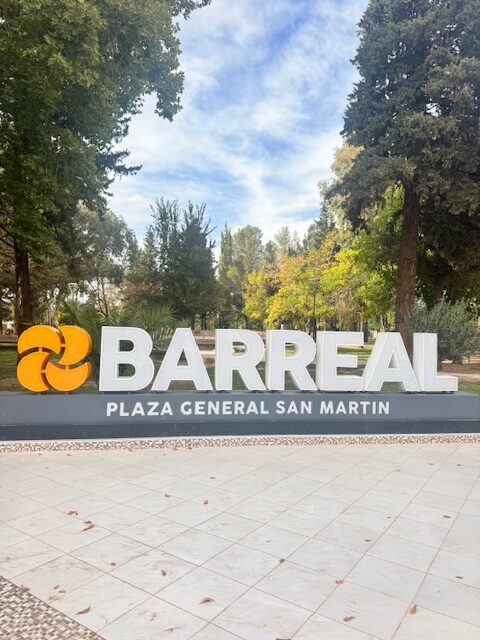
Barreal is a small town about 240 kms from Mendoza City. We spent two nights here so that we could visit Cerro Alcazar and Cerro 7 Colores. We just do not have the words to describe how beautiful these two locations are. It really makes the long drive from Mendoza worthwhile.
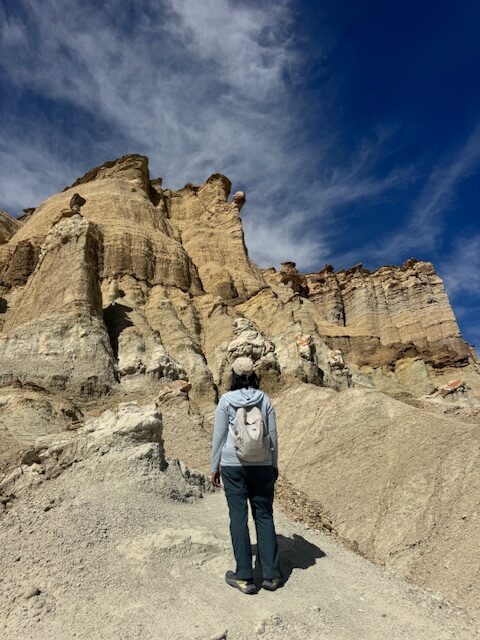
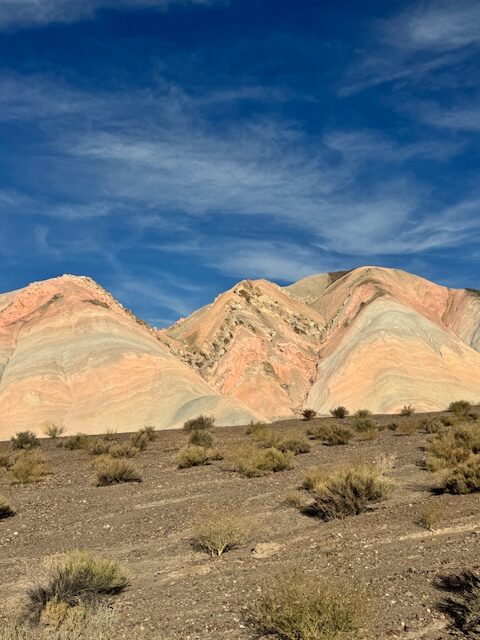
Alcazar and 7 Colores are marked on Google Maps. But the dirt road leading to these two locations are not shown. Luckily, there are signs on the highway for the turnoffs. The dirt road to Alcazar from the asphalted Ruta 147 is about 1 km (0.6 mi) and well graded. Cerro 7 Colores however is much further away from the highway. A looped dirt road takes visitors to the several colorful rock formations.
Alcazar has a smaller footprint than 7 Colores. We spent an entire afternoon between the two but the majority of the time was spent at 7 Colores.
Uspallata
The main reason we chose Uspallata was to drive scenic Ruta 7 to the Argentina-Chile border and see the attractions along the way. These attractions are Puente del Inca, Parque Provincial Aconcagua and Christ the Redeemer of the Andes. Uspallata also has its own Cerro Siete Colores and Mirador La Ventana.
Mirador La Ventana
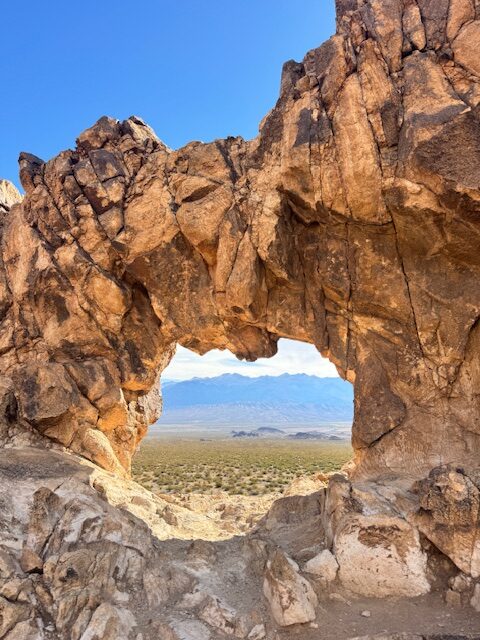
We went to see Mirador La Ventana and Cerro Siete Colores in the afternoon of our first night. Both are marked on Google Maps. The turnoff from Highway 52 to Mirador La Ventana is also marked on Google Maps and there is a small road sign. We followed the five kilometer (3 mile) dirt road until we saw another sign pointing to a big rock.
Cerro Siete Colores
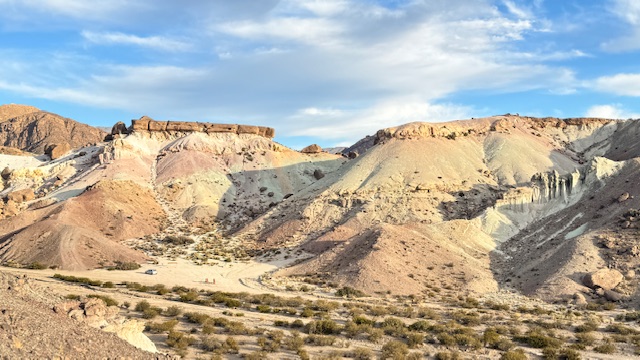
Cerro Siete Colores is a must! The 10 km (6 mi) dirt road is well graded and very passable with a regular car. And you would not miss it as there is a big sign on the roadside. The mountain’s pastel colors are just pleasing to the eyes.
Ruta 7
The section of Ruta 7 between Uspallata and the Argentina-Chile border is amazing. Ruta 7 runs along the Mendoza River for the most part. Towering multi-colored rocky mountains flank both sides of the road. The scenery almost looks unreal. The road is mostly two lane undivided highway but there are occasional passing lanes to bypass cargo trucks.
Cristo de Redentor (Christ the Redeemer of the Andes)
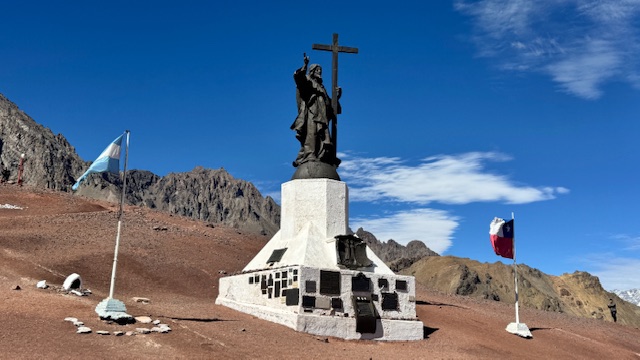
The Cristo de Rendentor statue stands at approximately 7 meters (23 feet) at the La Cumbre pass. It stands at the border between Argentina and Chile. The statue signifies the peace, friendship and the 1904 resolution of border disputes between the two nations.
To reach Cristo de Redentor, we had to drive slowly on an 8 km uphill dirt road from Las Cuevas. It took us about 30 minutes through 11 hairpin turns and stunning views. The wind was strong at 3,854 meters (12,640 ft) and it was cold. The dirt road actually continues on to Chile. There are a couple of souvenir shops located at the pass.
We arrived at the border around 11:30 AM and there were only a handful of visitors. But an hour later, tour vans and buses started arriving and the place soon became busy.
Parque Nacional Aconcagua
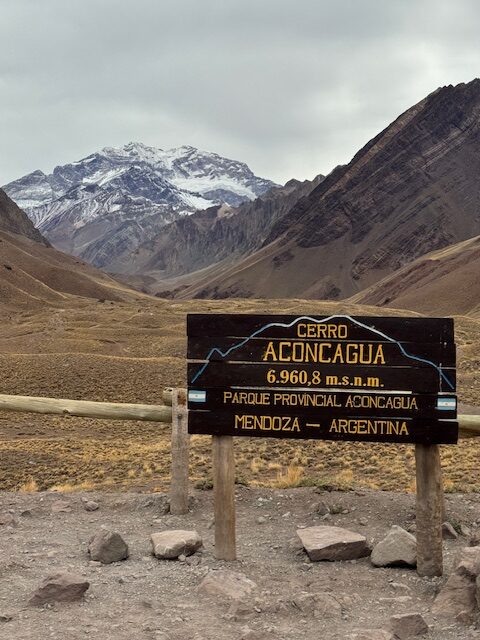
Next stop was Parque Nacional Aconcagua. Aconcagua Peak is the highest peak in South America at 6,961 m (22,838 ft). The park is open from 10 AM to 6PM but entry is cut off around 4PM. Visitors are required to register at the visitor center before driving into the park. There is only one road that leads to the large parking area. From the parking area, there is a loop trail (about 2 kms or 1.2 mi) that passes by the Mirador del Aconcagua and Laguna de Horcones.
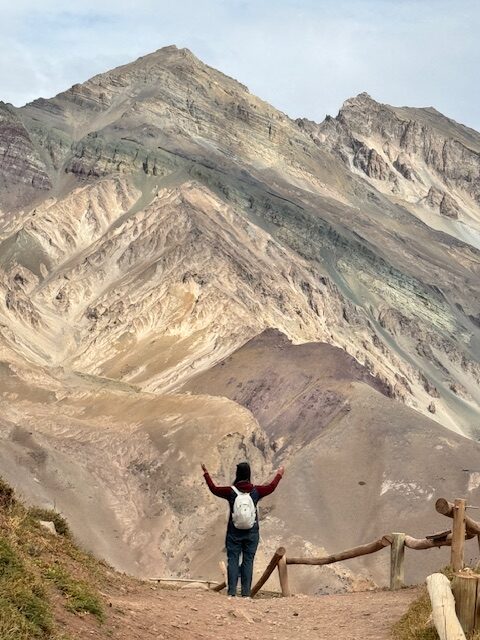
Plan on spending at least a couple of hours here. Though Aconcagua Peak is far away and may not look impressive on a cloudy day, the surrounding multi-colored mountains just took our breath away.
Puente del Inca
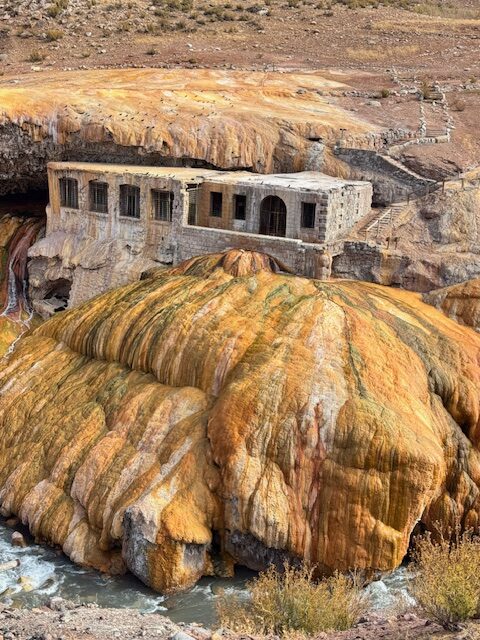
The good thing about Puente del Inca is that it is just on the roadside. You may not see it while driving because it is behind the souvenir stalls.
Its yellow and green covered rocks are truly unique.
San Rafael
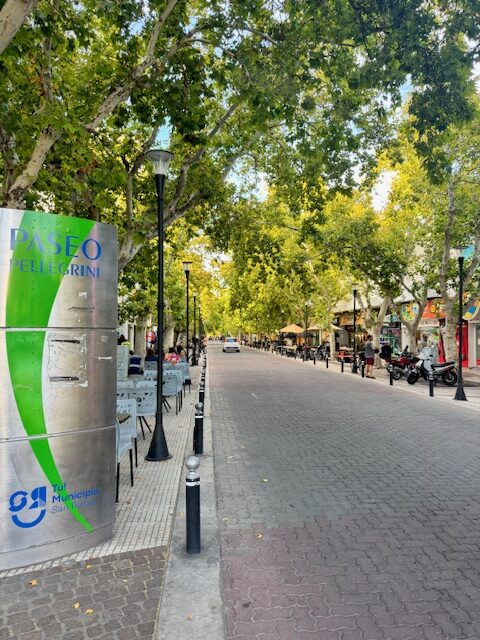
San Rafael deserves more than three nights especially if you love wine. The city may not look impressive as you are driving through it but looks can be deceiving. We consider it a smaller version of Mendoza City. It has a lively restaurant and shop scene along Paseo Pellegrini between Avenida Hipolito Yrigoyen and Plaza San Martin. Tree lined streets are also almost everywhere.
Bodega La Abeja
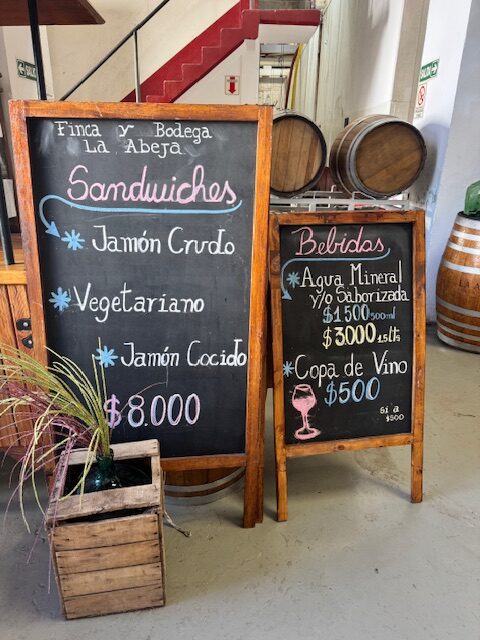
La Abeja is one of the oldest wineries in San Rafael. It is located right in the city. They offer winery tours, sell wines and sandwiches to the public. It is a popular stop for tour buses.
Algodon Wine Estates
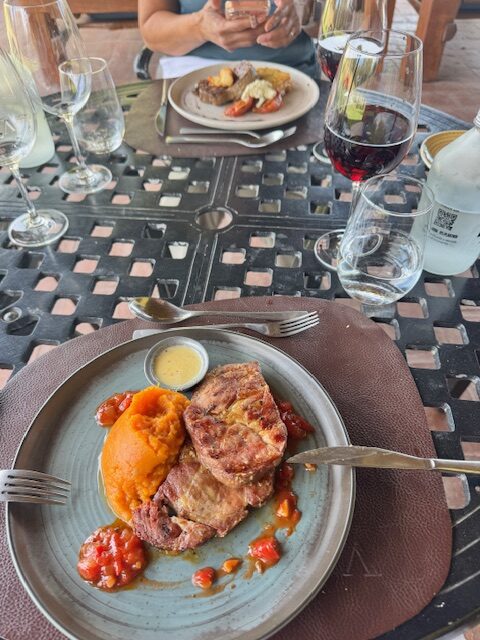
Algodon Wine Estates is located about a 25 minute drive from San Rafael. This place is huge at about 1,800 ha (4,500 ac), has a nine hole golf course, a restaurant and accommodations. They are the only winery in San Rafael we know that offers multi-course meals with wine pairings. They also have five course and three course meals. We settled for the three course meal and it was filling. We would have been hurting had we gone with the five course meal. The food, wine and restaurant setting was excellent.
Cañón del Atuel
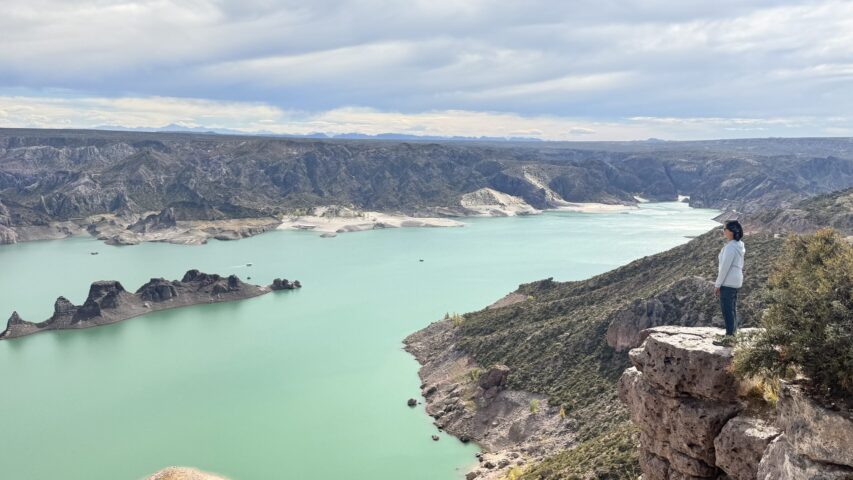
The highlight of our visit to San Rafael was Cañón del Atuel. We began our exploration by driving Highway 173 that follows Rio Atuel. There are many restaurants, cabanas, campgrounds and water rafting establishments along the road starting at about five kilometers before the dam.
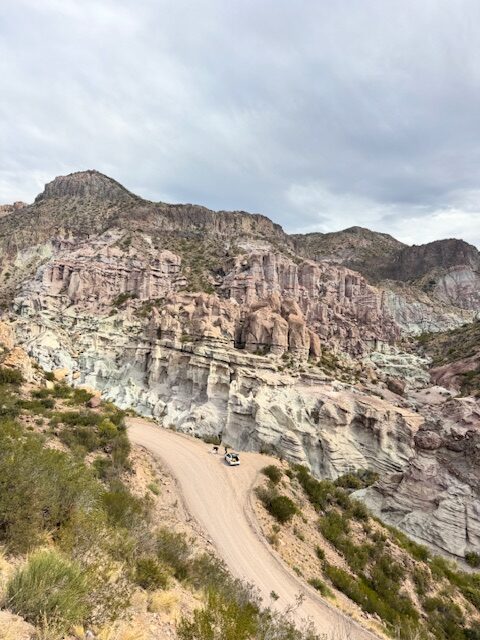
Closer to the dam, the road splits. We stayed on Highway 173 which took us to some viewpoints of the lake and over the dam. This section of road is one way. After the dam, the road turned into dirt and continued to climb which provided stunning views. But the best viewpoint is at Mirador Panoramico where most tour vans make a stop.
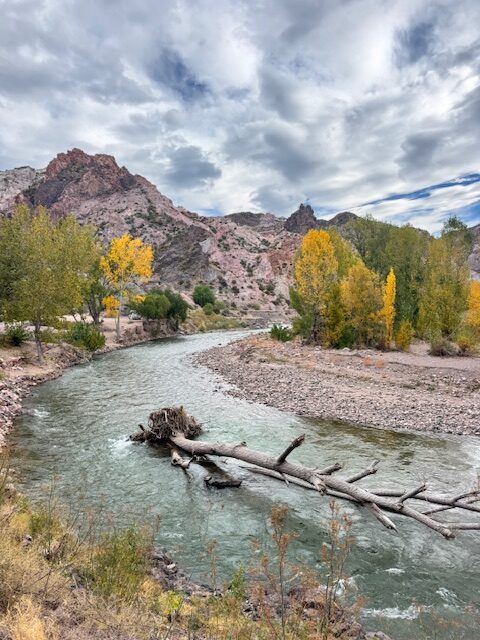
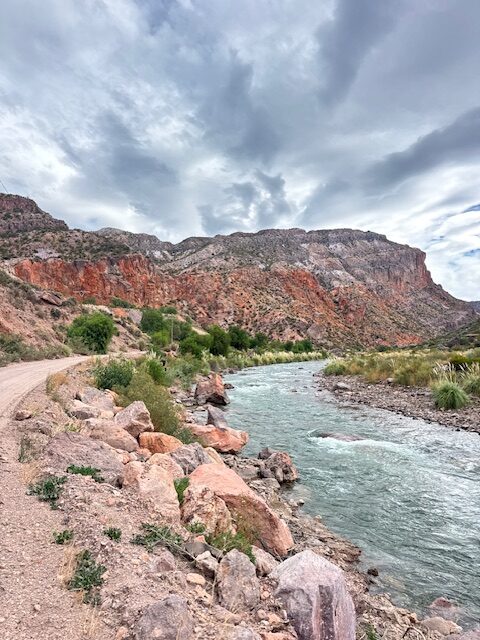
We thought about turning back after Mirador Panoramico but were glad we continued on. The stretch of road between the dam and the town of El Nihuil is about 47 kms of well graded dirt. We made several stops along the way admiring the scenery and unusual rock formations.
If we were going to do it over again, we would have started at El Nihuil and drove up to the dam. This would allow us to see the canyon with the sun being overhead instead of being in the shade in the late afternoon. The rocks colors would have been more vibrant instead of being in the afternoon shadow.
Malargue
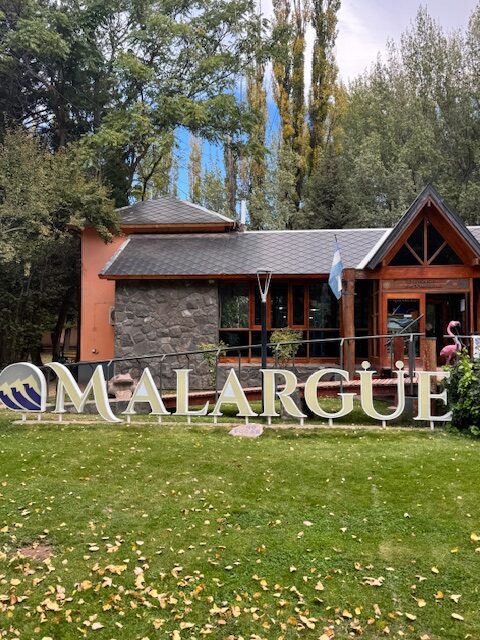
Malargue has a couple of unique attractions that we wanted to see. These are the Huellas de Dinosaurios Park and Manqui-Malal. There are also the rock formations at Castillos de Pinchera, Caverna de las Brujas and Turcara Aventuras which we skipped. We already saw similar rock formations and caves and were not inclined to go trekking or zip lining at the latter location. It also rained an entire day and we were not able to do anything outdoors.
Huellas de Dinosaurios Park
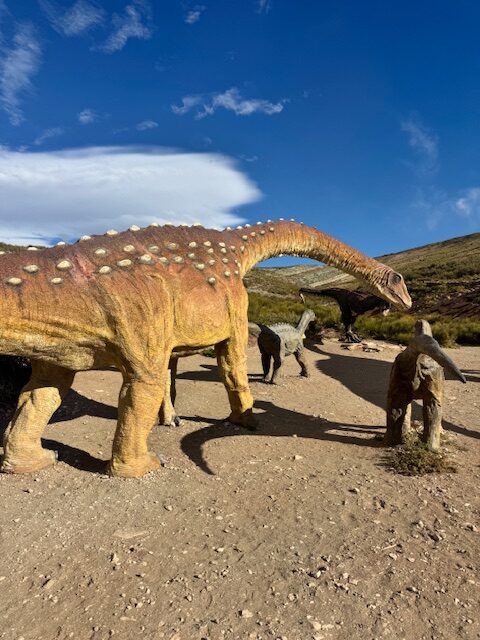
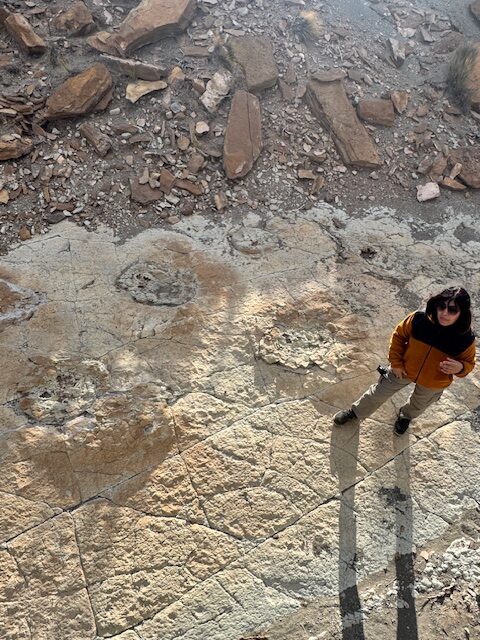
Huellas de Dinosaurios Park is a municipally owned and operated paleontological park which has dinosaur footprints made by Titanosaurs about 70 million years ago. These dinosaurs are huge herbivores with long necks and tails. Visitors must be accompanied by a park guide. Visitors are not allowed to walk where the dinosaur tracks are located but the tracks can be seen from overhead viewing platforms.
Manqui-Malal
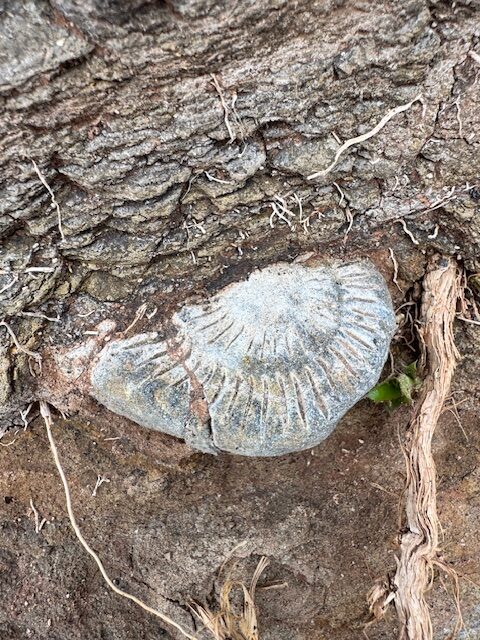
Manqui-Malal is a private property where visitors can see marine fossils embedded in Jurassic and Cretaceous rocks. These fossils were formed during the Mesozoic Era when the area was covered by the Pacific Ocean. Common finds are ammonites (a predatory shelled marine cephalipods), bivalves (oysters) and various shells.
Las Leñas
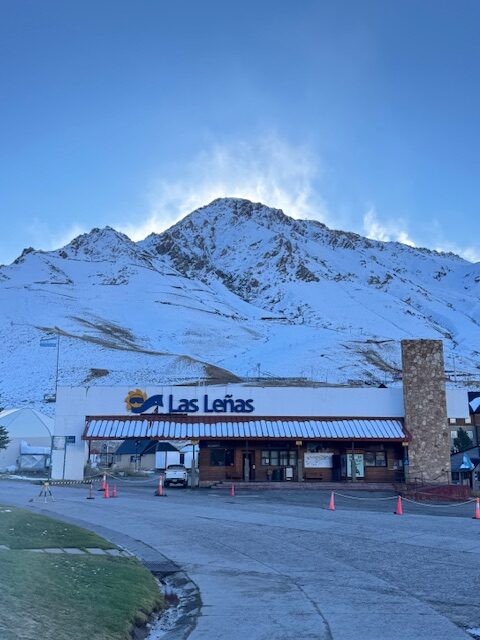
Las Leñas is a mountain resort/ski village less than an hour from Malargue. It sits around 2,200 m (6,600 ft) above sea level. We originally wanted to stay three nights in Las Leñas but had to cut it in two and spend an extra night in Malargue because of snow. It snowed the day we were going to Las Leñas and our rental car was not chain equipped so we had to wait for the roads to be cleared the following day.
Las Leñas, with the snow-covered mountains surrounding it, is really beautiful. However, because it was the fall season, almost all the businesses were closed. It was very quiet. Nothing was happening. Even the town’s supermarket was closed. Fortunately, our host warned us to bring the food we need before going there. It was a perfect time to be away from anybody.
In hindsight, it would have been better to make Las Leñas and Valle Hermoso a day trip from Malargue. But being the off season and quiet, our two night stay in Las Leñas was not regrettable.
Laguna Encantada
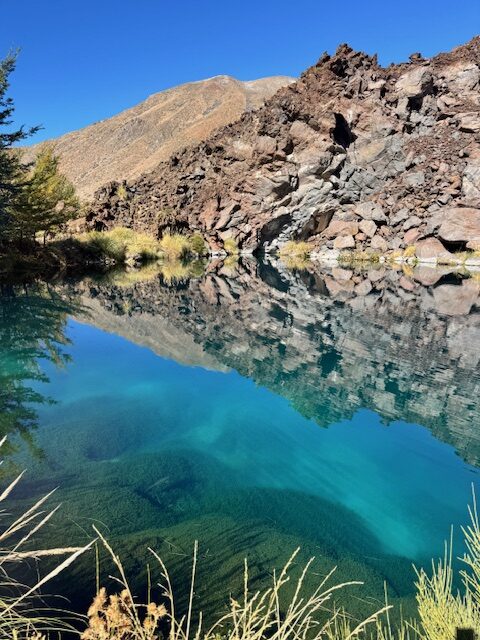
The first attraction along Ruta Provincial 222 on the way to Las Leñas is Laguna Encantada. It’s a nice small park with a small spring fed lake. The lake’s color changes depending on your vantage point and how it is hit by the sun. In the shade, the water color looks turquoise but it turns emerald under direct sunlight.
Pozos de Animas
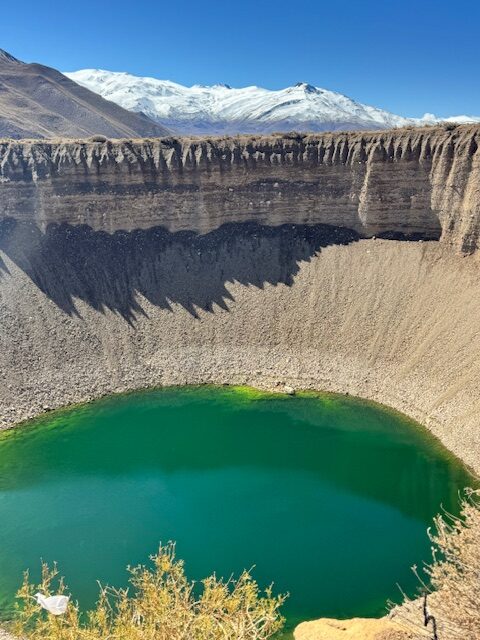
Pozos de Animas are two deep depressions with water. The area is fenced off to protect people from falling into the steep-sloped hole. Not really much to look at but the surrounding scenery is beautiful especially with the snow capped mountains in the background.
Valle Hermoso
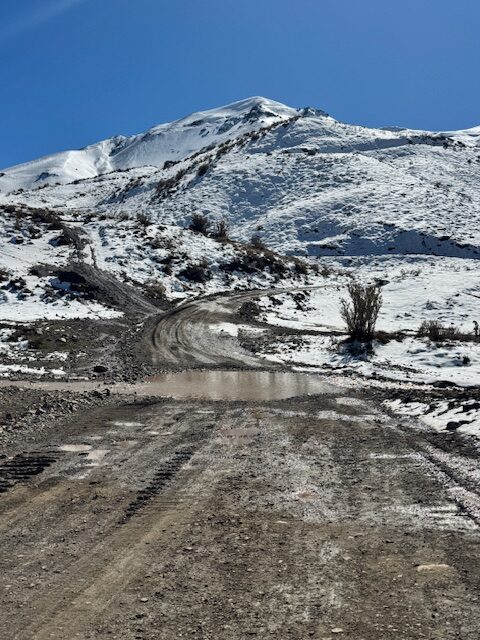
We were drawn to Las Leñas because of Valle Hermoso. Its literal translation is beautiful valley. Valle Hermoso is about 21 km (13 mi) from Las Leñas through a graded gravel and dirt road. Our little car only got us about halfway on our way to the valley viewpoint which is 14 km (9 mi) from Las Leñas. The road started out dry but as it climbed, the snowmelt made the road muddy. Unfortunately, we had to abandon the idea of going to Valle Hermoso when we encountered a big puddle on the road fed by melting snow.
Tupungato
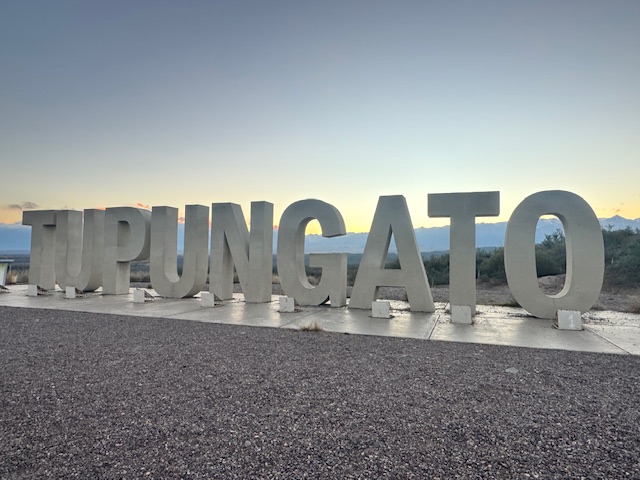
For the last leg of the road trip, we shifted our experience from landscape sightseeing to wineries in Uco Valley. We chose Tupungato over Tunayan as our base because it was closer to the wineries we wanted to visit. Plus Tupungato is a smaller town with only a few traffic lights unlike Tunayan which almost has one at every intersection along Ruta 40.
Andaluna
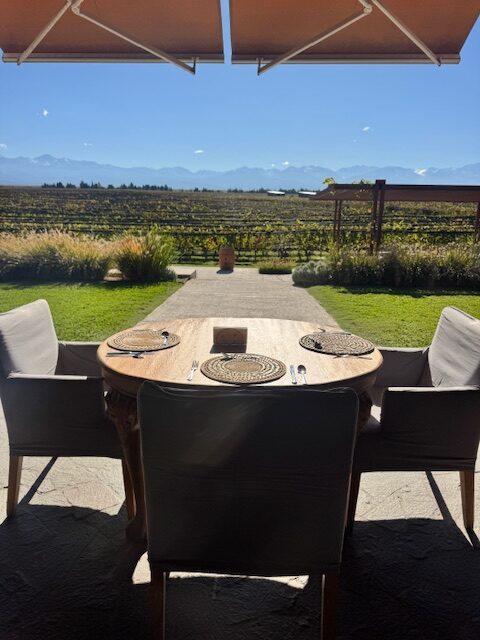
There are few wineries just outside of Tupungato that our host mentioned worth paying a visit. In the end it boiled down to Bodega Azul and Bodega Andaluna. We chose Andaluna because our host said that it has a nicer atmosphere as Azul is always busy.
Andaluna is about 11 km (7 mi) from Tupungato. The restaurant is located in the middle of the estate surrounded by vineyards. It has both indoor and outdoor seating. The view of the snow capped Andes mountain range in front of the rows of grape vines is just perfect to enjoy a meal with a glass (or bottle) of wine.
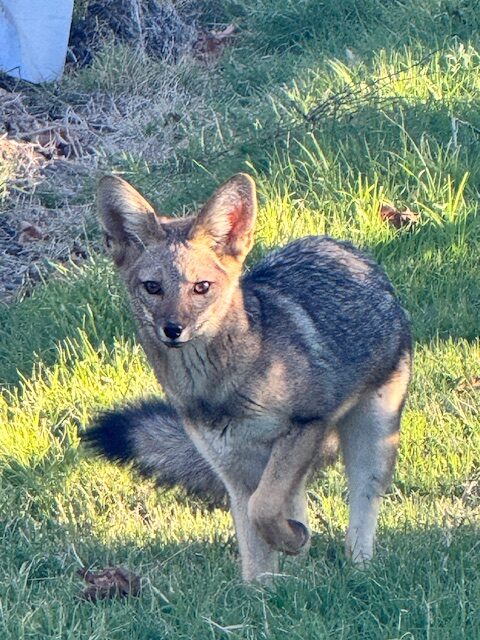
A reservation is recommended because you do not know when they will get a bus load of visitors. We arrived around 4PM and the kitchen was already closed. They were only serving empanadas and meat-and-cheese boards. It was a nice change from what we were doing for the past 12 days to just enjoy food, wine and the scenery. We even saw a couple of foxes when we walked the vineyards after eating.
Quimera
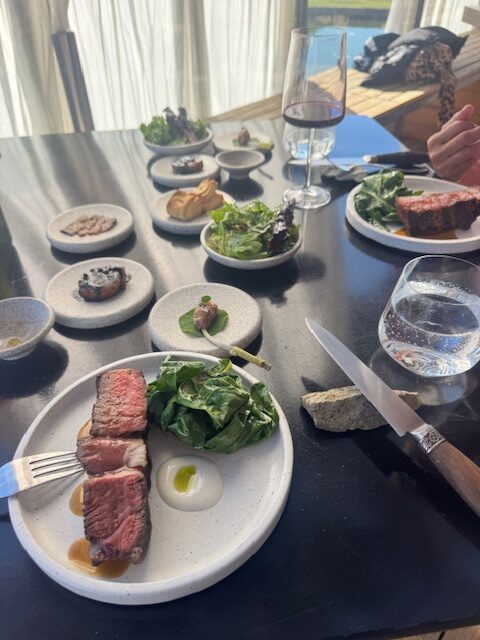
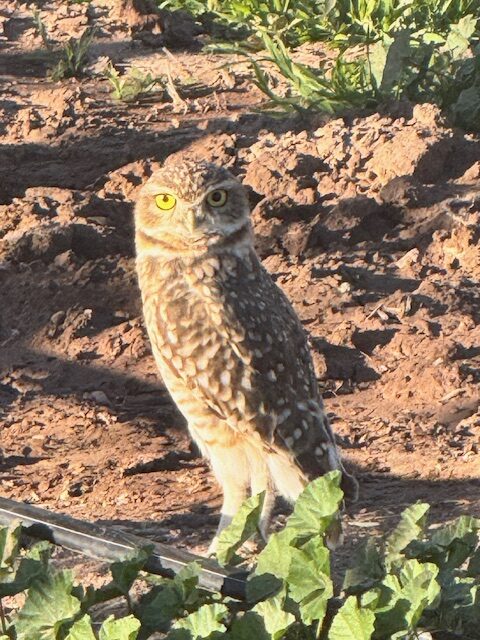
We had lunch with wine pairing at Quimera Winery on our second day at Tupungato. Quimera is about 40 minutes away from Tupungato. We learned about Quimera from a YouTube video. Their restaurant has earned Michelin stars in 2024 and 2025. Their six course fixed lunch menu emphasizes quality over quantity. Indeed the food was excellent and a gastronomic experience, but you would not be totally satisfied if you are a big eater.
Ruta Provincial 86
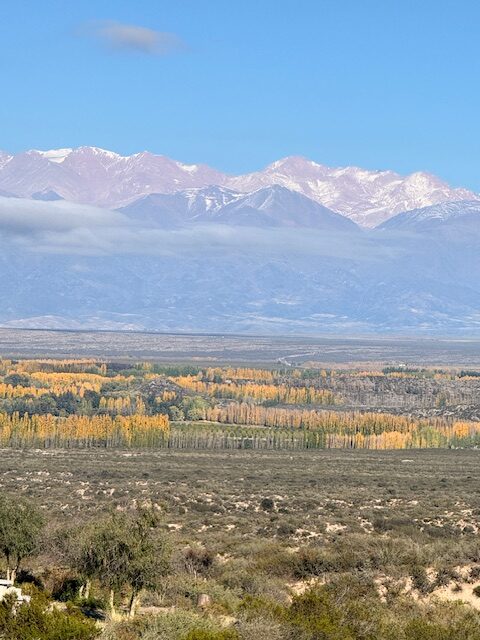
Ruta Provincial 86 north of Tupungato was a pleasant surprise for us. We took this backroad on our way to Quimera. This is where we found the Tupungato sign which provided a nice viewpoint of the snow capped Andes mountains with the fall colors of Uco Valley in the foreground.
How To Get There
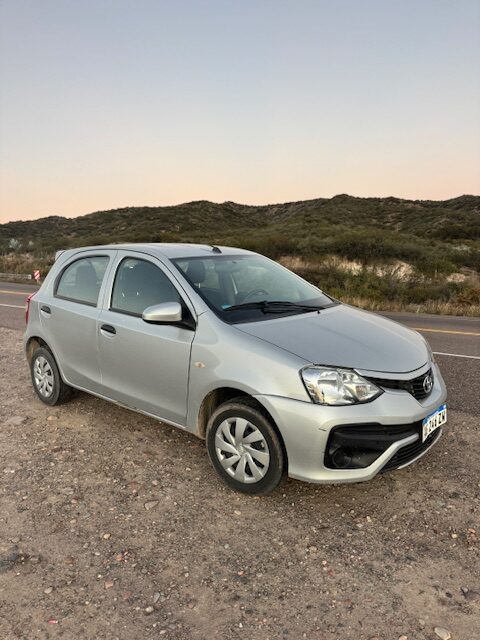
It is best to have your own mode of transportation to visit the places we visited. We picked up our rental car from Mendoza Airport. There are a number of world wide brand rental companies that have in-terminal pick-up.
You may be able to get to Uspallata, San Rafael, Malargue and Tupungato by public transportation but we did not see any buses going to Barreal and Las Leñas.
Driving to the places we visited was straightforward, except Barreal. Barreal is about 240 kms from Mendoza City through Ruta 7 and Ruta 149. It takes a lot longer than the 3.5 hours that Google Maps shows mainly because of two factors. First, Ruta 7 is a two lane undivided road that snakes through valleys and mountains. The section of Ruta 7 between Mendoza and Uspallata is used by cargo trucks going to and coming from Santiago, Chile. There are a lot of them and they are slow, especially on uphill sections.
Second, there is a 37 km section of Ruta 149 about 20 kms north of Uspallata. It took us 1.5 hours to get through this washboard road.
Where To Stay
Barreal: Cabañas El Aguaribay. Roomy two bedroom one bath house.
Uspallata: Valle Andino Hotel. Mid-class hotel with free breakfast.
San Rafael: AirBnB – Departamento de lujo con vistas panoramica. A roomy one bedroom apartment on the sixth floor with balcony and within walking distance to shops and restaurants and even Bodega La Abeja.
Malargue: AirBnB – Caso Lorvic 1. A cozy one bedroom home. The owner lives next door.
Las Leñas: AirBnB – Departamento moderno Las Leñas. A cozy studio with three beds with nice views.
Tupungato: AirBnB – Mira Montaña Lodges Vista directa Volcán Tupungato. A newly opened modern one bedroom apartment in a vineyard with a very friendly host.
How To Get Around
As mentioned before, having your own mode of transportation would be best so that you can utilize your time efficiently. We did not see any tour companies in Barreal and Las Leñas.
Expected Expenses
Of all the places we visited, only Huellas de Dinosaurios, Manqui-Malal and Laguna Encantada charged an entry fee.
Huellas de Dinosaurios – 3,000 ARS pax ($2.1 USD)
Manqui-Malal – 4,500 ARS pax ($3.2 USD)
Laguna Encantada – 4,500 pax ($3.2 USD)
Stay Informed
If you want to be notified when we post a new travel story, please enter your email below. We respect your privacy. Your email is used only to notify you of new posts and is never sold or shared with third parties. You can unsubscribe at any time.
Summary
Beautiful natural attractions and world class wineries with upscale fine dining awaits the adventurous traveler in Mendoza Province.
The sleepy town of Barreal in adjacent San Juan Province has the impressive Cerro Alcazar and Cerro de los 7 colores. Both are less than 20 minutes drive from town. Closer to town, visitors will also enjoy the colorful Anfiteatro Cerros Colorados.
Uspallata makes a perfect base to see the Mirador La Ventana, Cerro Siete Colores and driving the famous Ruta 7 to the Argentina-Chile border. Uspallata’s Cerro Siete Colores pastel colors are pleasing to the eyes while the scenery along Ruta 7 is breathtaking and feels surreal.
The city of San Rafael hit the spot for us. It is like a small Mendoza City but more laid back. Wineries are everywhere and Canyon de Atuel offers jaw dropping scenery.
Malargue is another sleepy town with a couple of unique attractions. There is the pink salt flat on the way from San Rafael. Closer to the town itself, there is the Huellas de dinosaurios Park and Manqui-Malal which took us back to pre-historic periods.
Las Leñas is a small ski resort town that felt like a ghost town during the off season. It provided a us a chance to slow down from our travel while enjoying the beautiful scenery, including Laguna Encantada and Pozos de Animas which are accessible year round.
Tupungato is in the heart of Uco Valley with vineyards and wineries at the foot of the Andean Mountains. Fine dining at Andalusia and Quimeras wineries were certainly an experience.
So if Mendoza City is in your itinerary, we highly suggest carving out time to explore the province as well. There are certainly more amazing places to visit and unforgettable things to do than what we have described here.