
Last Updated on December 19, 2025
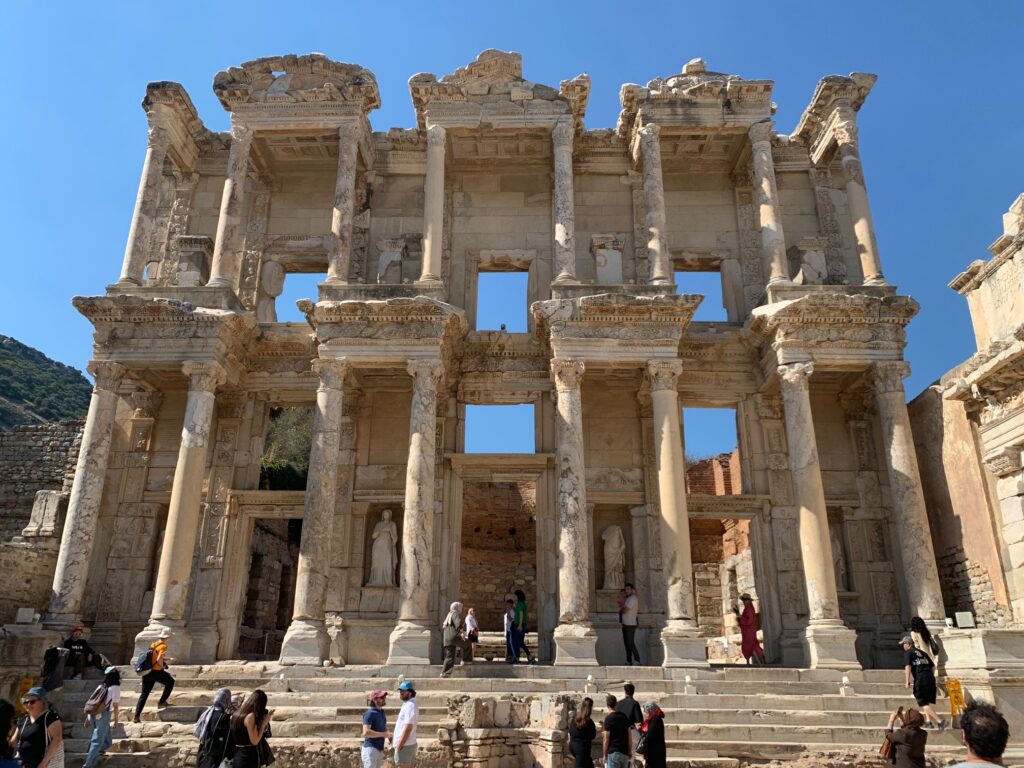
Image: The Library of Celcus in Ephesus Ancient City, Selçuk, Turkey.
Highlights
– Seven places to see in Selçuk, Turkey.
Time of Visit: October 2025
Duration of Visit: Two Nights
Description
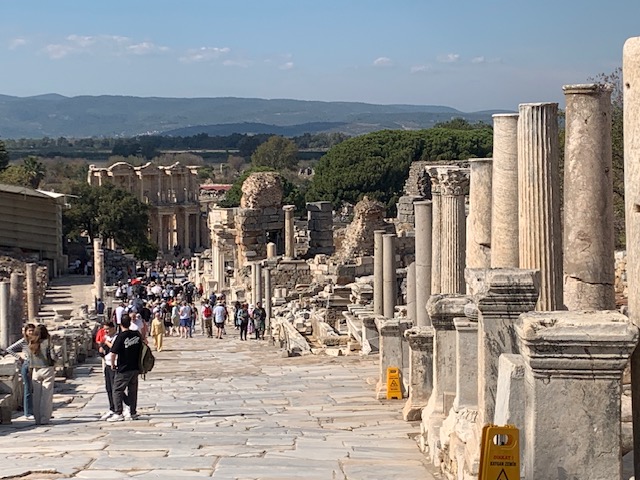
Selçuk is a town near the coast located in Izmir Province in Turkey’s Aegean region. The town is steeped in layers of ancient history and Anatolian culture. Once part of the classical city of Ephesus, Selçuk today serves as the modern gateway to some of the most important archaeological and religious sites in Turkey.
The town itself blends traditional Turkish life with echoes of its ancient past. Cobbled streets, Ottoman-era houses and local markets coexist with Roman ruins and Byzantine remnants. The medieval Ayasuluk Citadel which is located on top of the hill stands out. Below the fortress is the remains of the Basilica of St. John which is believed to be the burial place of the Apostle John.
Selçuk’s main attraction is the archeological site of the ancient city of Ephesus. This once thriving Greek and later Roman metropolis was believed to be the home of around 250,000 people.
Here we describe the most common places to see in Selçuk besides the citadel, St. John’s Basilica and Ephesus so that you can properly plan your visit to this town that is rich in history and friendly locals.
Activities
Activities in Selçuk center around delving into ancient history. The area is surrounded by Greek and Roman ruins that rivals those found in Greece and Italy. Listed below are what you can expect to see and experience in Selçuk.
Artemis Temple
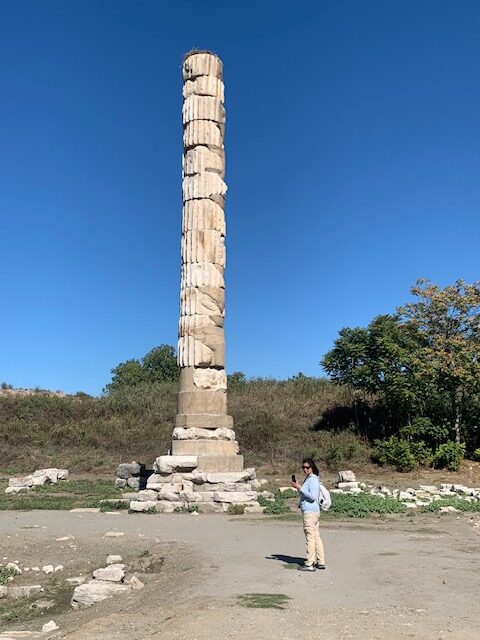
In Greek mythology, Artemis is the goddess of chastity, hunting and the moon. However, in Turkey, she was the patron goddess of Ephesus (more later). The people of Ephesus honored her by building a great temple which was once considered one of the “Seven Wonders of the Ancient World”..
The temple is long gone. Only one pillar remains which seems to be just a stack of broken columns. If this pillar represents the actual size and height, then truly, the temple would have been grand in its heyday and would have rivaled the Parthenon in Athens, Greece. This single column does make a great backdrop for an interesting camera trick.
Ayasuluk Citadel

The Ayasuluk Citadel is perched on a hill overlooking the town of Selçuk. It is a striking medieval fortress that has guarded the region for centuries. Originally built during the Byzantine era and later expanded by the Seljuks and Ottomans, the citadel served as both a military stronghold and a refuge for local residents.
Enclosed by impressive stone walls punctuated with towers and gates, it offers commanding views over the surrounding valley and the ancient ruins of Ephesus nearby. Within its walls lie the remains of homes, cisterns, and a small mosque, giving visitors a sense of how life once flourished inside its protective ramparts.
Basilica of St. John
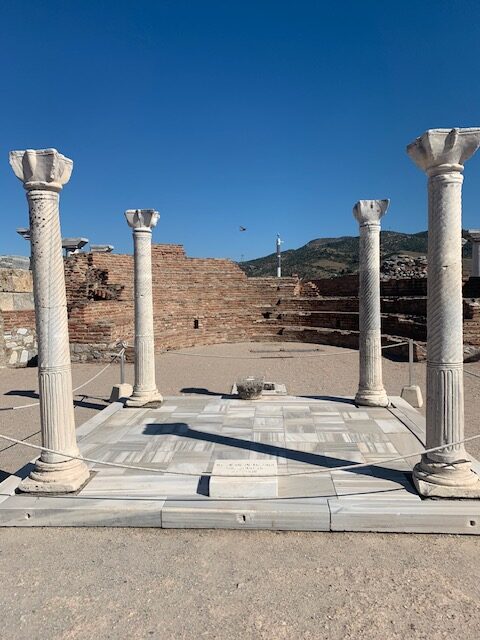
The Basilica of St. John was an impressive 6th-century church built by Emperor Justinian I over what is believed to be the burial site of St. John the Apostle. Once one of the largest churches of the Byzantine Empire, it featured a grand cruciform layout with marble columns, domed roofs, and decorative carvings that hint at its former splendor. Although now mostly in ruins, the site’s elevated position on Ayasuluk Hill provides sweeping views of Selçuk and the surrounding valley, making it both a sacred and scenic landmark.
Ephesus Archeological Site
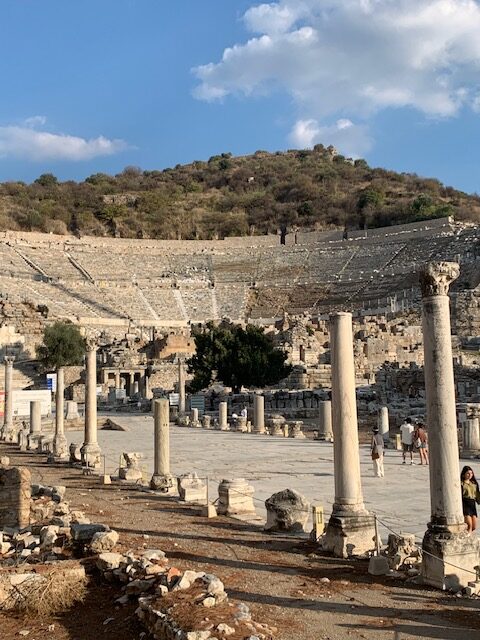
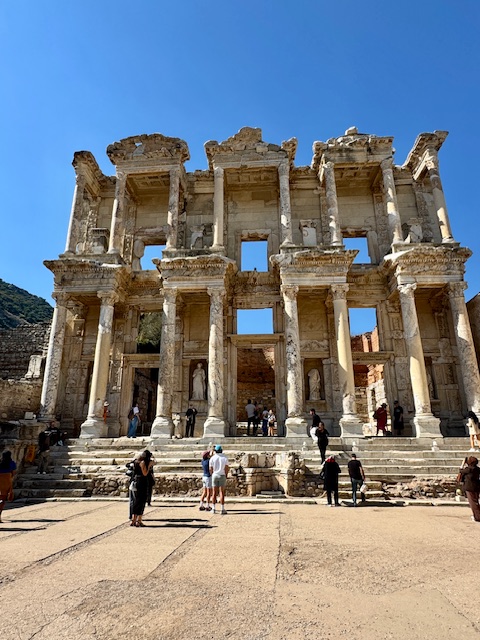
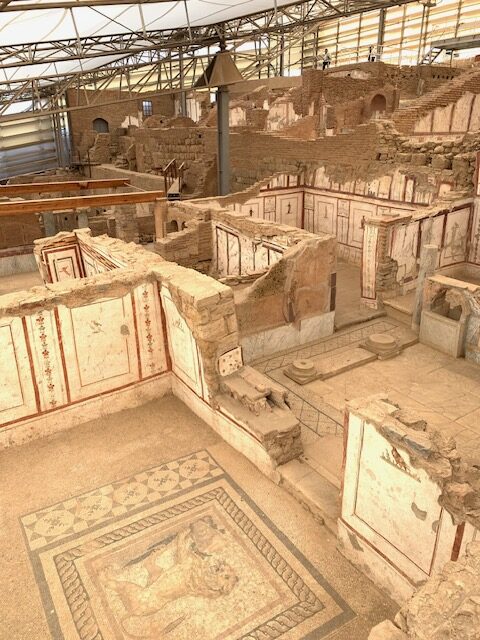
The Ephesus Archeological Site is located just a few kilometers from Selçuk. It is one of the best-preserved archaeological sites of the classical world and a UNESCO World Heritage Site. Visitors can explore iconic landmarks such as the Library of Celsus, the Great Theatre, the Temple of Hadrian, and the Terrace Houses, where frescoes and mosaics reveal the city’s former opulence.
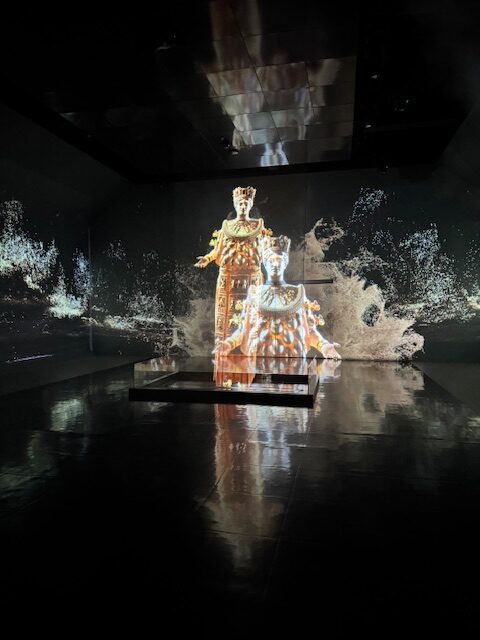
Within the confines of the archeological site is the Ephesus Museum Experience. This is different from the Ephesus Museum which is located in town. The Ephesus Museum Experience provides an immersive journey through the ancient city’s history through computer generated images and videos to bring its artifacts and stories to life. The event queues visitors in groups of around 30 to walk to three large halls that have different presentations..

The archeological site has a North and South entry gates. Google Maps routed us to the North Entrance which we think is busier than the South Entrance. Get there early as tour groups continuously arrive even at four in the afternoon. The most popular site is the library and is closer to the South entrance.
Ephesus Archeological Museum
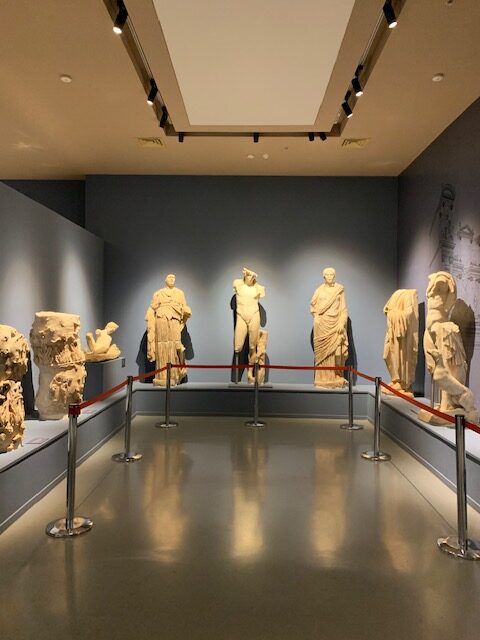

The Ephesus Archaeological Museum houses a remarkable collection of artifacts excavated from the archeological site and its surroundings. The museum’s exhibits bring the ancient world to life through statues, coins and everyday objects that showcase Roman, Greek, and Anatolian cultures. Highlights include the famous statues of Artemis of Ephesus, intricately detailed sarcophagi, and items from the Terrace Houses. Compact yet rich in detail, the museum offers an essential context for understanding the grandeur and daily life of ancient Ephesus.
House of the Virgin Mary

Nestled on Mount Koressos about a nine kilometer drive from Selçuk, the House of the Virgin Mary is a revered pilgrimage site. It is believed to be the final home of Mary, the mother of Jesus. The modest stone chapel, discovered in the 19th century following visions described by a German nun, has since been recognized by both the Catholic and Muslim communities as a holy place.
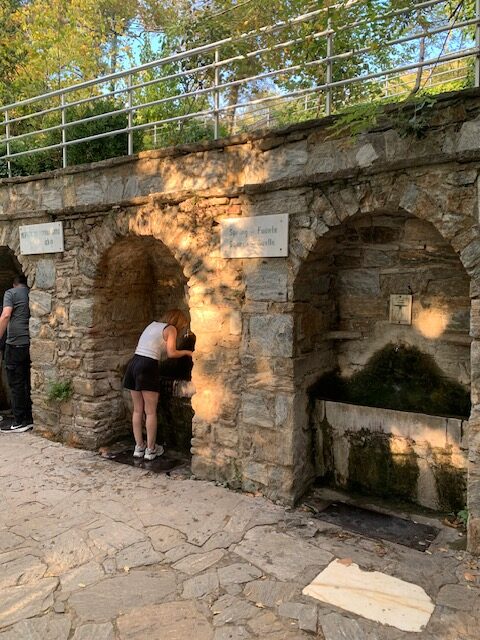
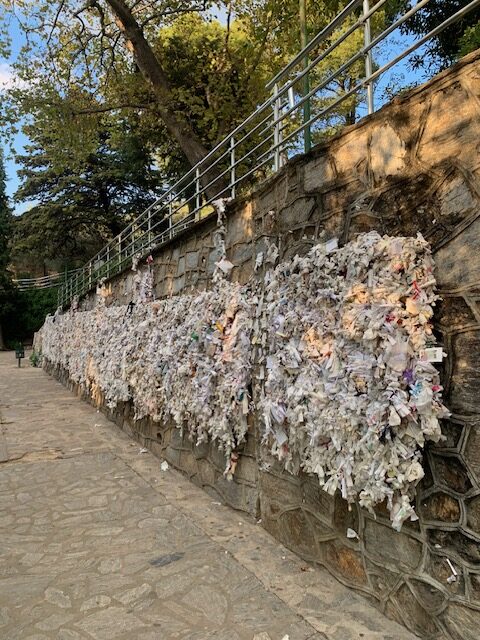
Surrounded by tranquil forested hills, the site exudes peace and spirituality. Visitors often light candles, collect water from faucets fed by what is considered a sacred spring and leave written prayers on the prayer wall. It remains a deeply moving destination for those seeking faith, history, or quiet reflection.
Saturday Open Air Market

Selçuk holds an open air market on Saturdays. Şahabettin Dede Blvd, one of the town’s main streets, is closed between the railroad tracks and Kubilay Street. There are probably over a hundred vendors selling fresh produce at local prices. It was a joy to walk around and buy fruits and vegetables.
The market was open early in the morning and was still going at 6PM when we returned after a day of sightseeing. Do not forget to bring cash.
How To Get There
The nearest airport to Selçuk is in the city of Izmir (code ADB), about an hour drive away.
We had a rental car and drove almost five hours from Ölüdeniz. There is also a train station in town. The Oblitet app is a good resource for determining public transportation options in Turkey.
Where To Stay
We stayed in Ephesus Suites which is about a 15 minute uphill walk from the train station. Our one bedroom apartment came with a kitchen but no washing machine.
How To Get Around
If you do not have your own car, there are taxis and tour groups that operate within Selçuk.
With the exception of the Ephesus Archeological Site and the House of the Virgin Mary, the rest of the attractions can be reached by foot in twenty minutes or less from the train station.
Expected Expenses
Museum Passes

You may want to consider purchasing a museum pass if you plan on seeing a number of historical and cultural sites in Turkey. We were not aware of the benefits of a museum pass such that we ended up spending 15 Euros more per person by purchasing individual tickets. Below is a list of sites where the Aegean Museum Pass is valid (as long as you can do it within seven days). The Turkey Museum Pass is valid in all of Turkey but only for 15 days.

Site Specific Expenses
Prices are in TRY. If a price is indicated as Euro, the equivalent TRY amount is charged.
Artemis Temple: free
Ayasuluk Citadel and Basilica of St. John: parking – 150, entry fee 6 Euros
Ephesus Archeological Site: parking – 150, entry fee – 40 Euros , with Terrace House and Ephesus Museum Experience – 52 Euros
Ephesus Archeological Museum: parking – 100, entry fee – 10 Euros
House of the VIrgin Mary: entry fee – 500
You will save 3 Euros if you purchase the 65 Euro pass that is valid for the Ephesus Archeological Site, Terrace House, Ephesus Museum Experience and St. John Basilica / Ayasaluk Citadel. Again, consider purchasing the Aegean Museum Pass if you plan on visiting other historic and cultural sites within the region.
Do pay attention to the sites’ closing times as you will be ushered out when the time comes.
Summary
Selçuk serves as the gateway to the ancient city of Ephesus, one of the best-preserved archaeological sites in the world. Visitors can walk the marble streets of this once-great Roman city, visiting landmarks such as the Library of Celsus, the Great Theatre, and the Temple of Artemis — one of the Seven Wonders of the Ancient World. In town, the Ephesus Archaeological Museum houses many treasures excavated from the ancient ruins, providing deeper insight into the region’s glorious past.
The House of the Virgin Mary is a revered pilgrimage site for both Christians and Muslims and adds spiritual significance to the area. Together, these sites make Selçuk a focal point for anyone interested in ancient civilizations, religion, and world heritage.