
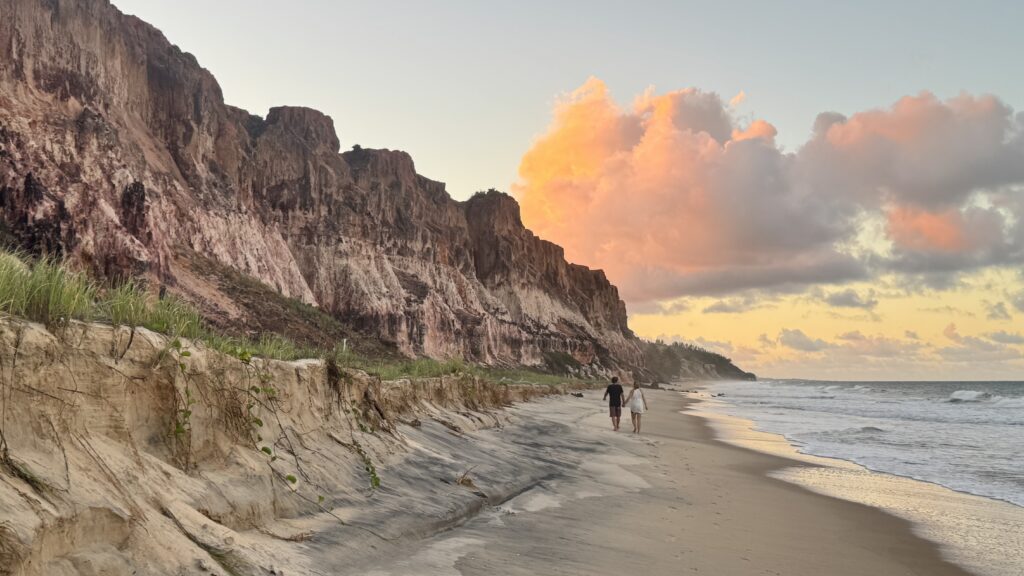
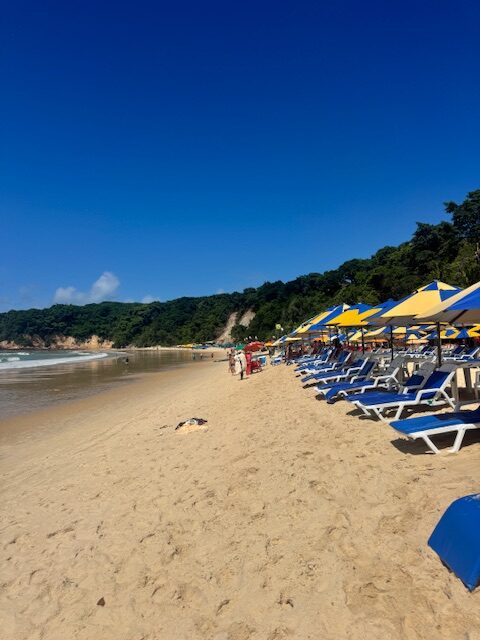
Image: Praia Cacimbinhas, about 15 minutes south of Pipa, Brazil.
Highlights
– Pipa has sand dunes, dramatic beaches, lively nightlife, lots of restaurants and shops that makes it one of the popular destinations in Brazil.
Time of Visit: May 2026
Duration of Visit: Five Nights
Description

Pipa is a laid-back beach town on Brazil’s northeastern coast, about 85 kilometers south of Natal in the state of Rio Grande do Norte. Originally a quiet fishing village, Pipa has evolved into one of Brazil’s best-known coastal destinations while still keeping much of its relaxed, small-town atmosphere. The town sits on dramatic cliffs overlooking the Atlantic Ocean. Its coastline is filled with golden beaches, tide pools and warm tropical waters year-round. The main street is lined with colorful shops, beach bars, restaurants, and pousadas that attract both Brazilian and international visitors.
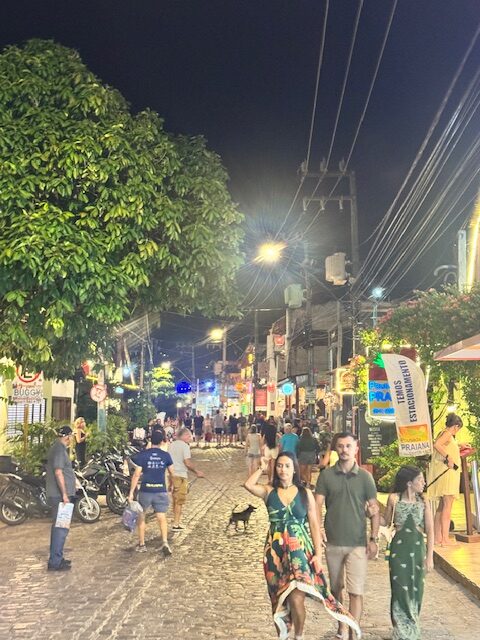
One of Pipa’s defining features is its combination of natural beauty and lively energy. Beaches such as Praia do Amor and Baía dos Golfinhos are known for surfing, cliffside scenery, and frequent dolphin sightings close to shore. Despite its popularity, Pipa still feels more intimate and less urbanized than many larger Brazilian beach resorts, which is part of its charm.
Activities
Beaches
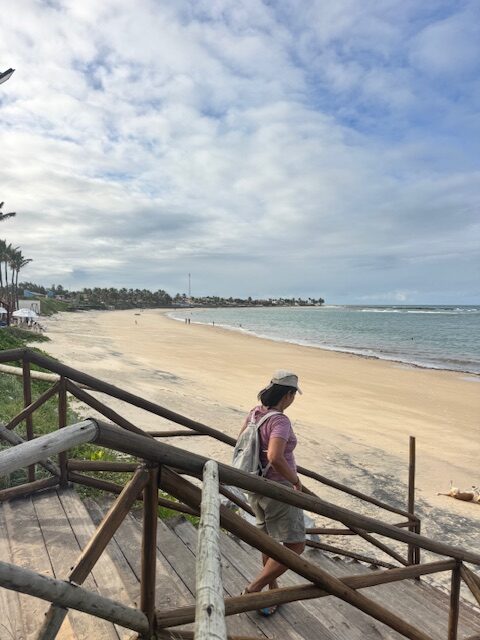
There are several beaches in Pipa. All the beaches are backed by a cliff so access requires tackling some stairs. Some are easier to get to than others.
What Does The Beaches Look Like?
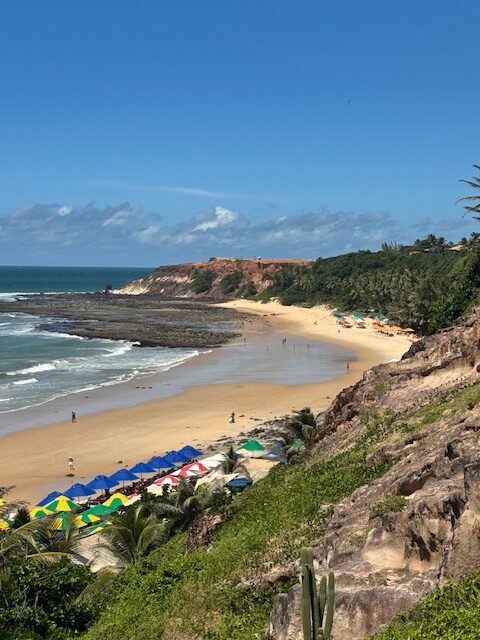
The sand is mainly golden or light brown in color. There is no white sand beach unlike Praia do Forte in Cabo Frio. But you can expect to see beach umbrellas and chairs set up by enterprising vendors. Use of the umbrellas and chairs are free if you purchase drinks and/or food from them. The prices were not surprisingly high considering that they have to bring everything down.
Do not expect to see emerald green or turquoise water here. The water’s color was primarily dull green even on a sunny day. Some have strong waves that are good enough for surfing.
Our Favorite
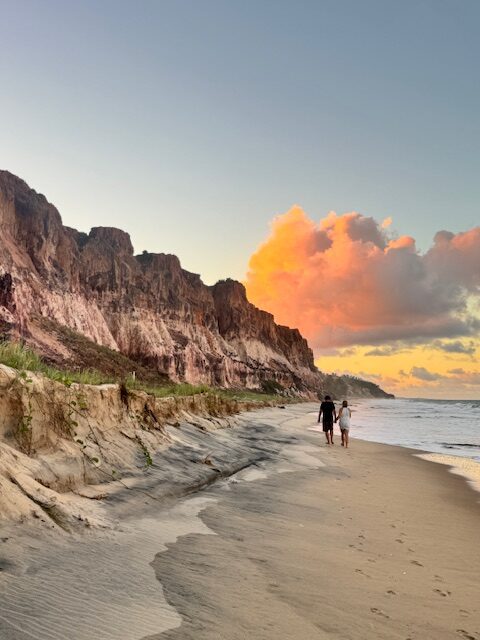
Praia Cacimbinhas was our favorite. This beach is closer to the small town of Tibau Di Sol north of Pipa. Praia Cacimbinhas is reachable by public bus and takes less than 15 minutes to drive from Pipa’s town center. We like Cacimbinhas because there are hardly any people, it is shaded around three in the afternoon and the multi-colored cliff face is just beautiful. Overall, just a nice place to chill out while listening to the waves crash.
Other Beaches
From north to south, there are Madeiro, Golfinhos, Pipa, Lovers and Minas. Madeiro is too far to walk from town so you will have to ride the bus bound for Tibau Di Sol.
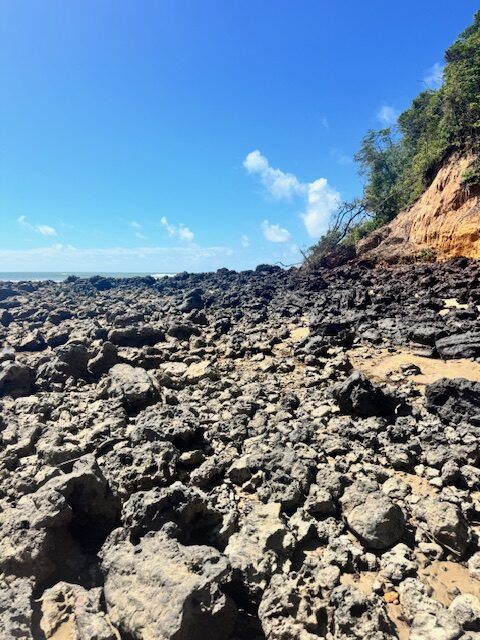
Golfinhos do not have stair access so you can only reach it from either Madeiro or Pipa (the beach). But it is only possible to walk to Golfinhos during low tide so make sure you are aware of the tide times to avoid getting stuck there. Access from Madeiro is difficult because you have to traverse a boulder field about 200 m (320 ft) long. Access from Pipa is easier but requires a longer walk.
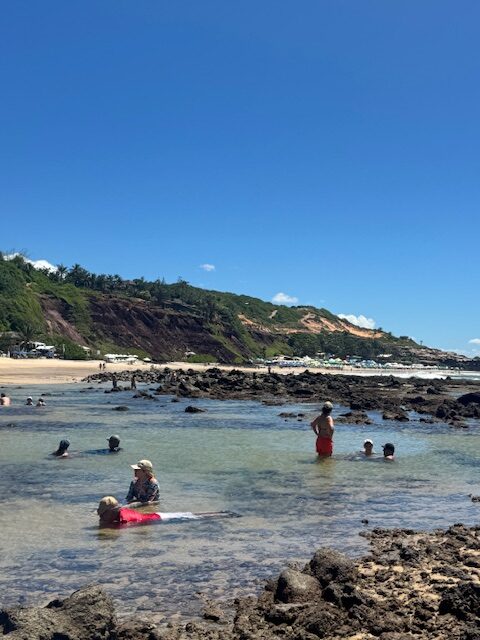
Pipa and Lovers beaches have tide pools that are perfect for dipping during low tide. Pipa Beach has a couple of access points, one at Praca Peacadores (just walk down the street under the plaza and turn left) and the other at R. do Cruzeiro. Lovers Beach’s main access point is through the road leading to Hotel da Pipa.
Mina’s is the furthest south and is a bare beach, meaning there are no vendors that set up umbrellas and chairs.
Day Trip To Natal
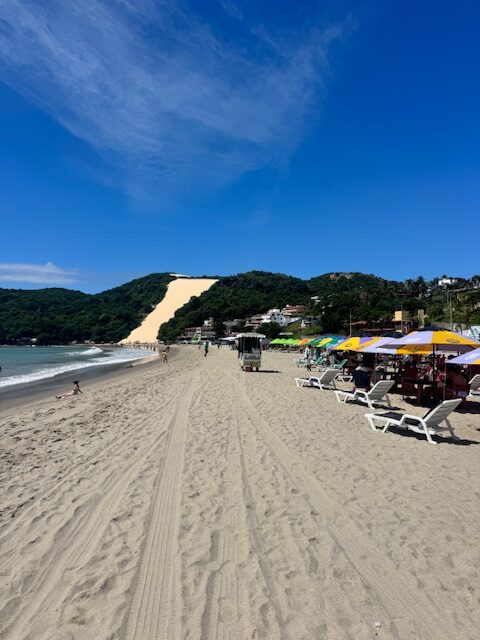
We drove to the City of Natal to see Ponto Negra (beach), Maior cajueiro do Mundo (the largest cashew tree in the world), see some of the beaches and Dunas de Malemba (Malemba Dunes).
Ponto Negra is like any other beach except for the tall sand dune behind it. The sand dune was fenced off and off limits to people.
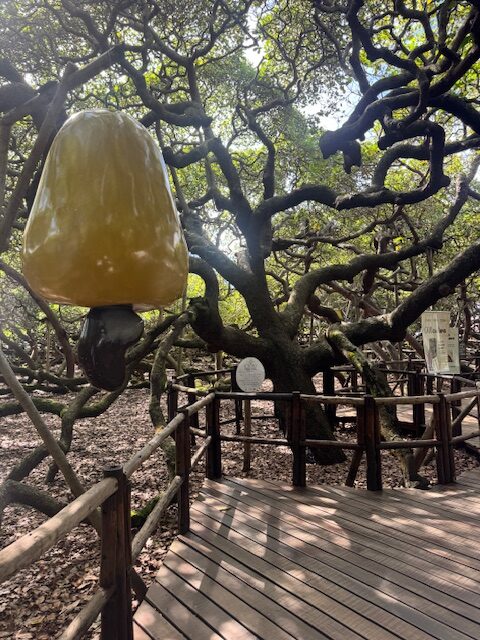
The largest cashew tree in the world is about a 20 minute drive from Ponto Negra. It’s something different as you do not see every day a couple of acres shaded by just one tree. What happened was that the main trunk’s branches obeyed the laws of gravity, touched the ground and became “runners” that developed its own trunk and branches that did the same thing as the parent trunk.
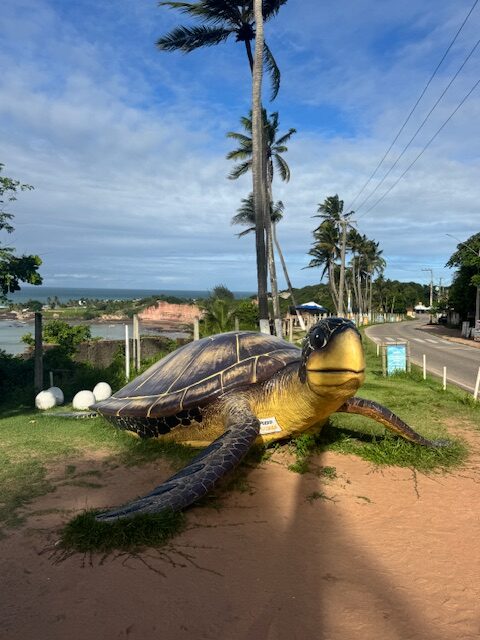
We stopped at Mirante dos Golfinhos which provided a nice view of the beaches below. There are several quiet beaches between Natal and Barreta. Some are bare while others have restaurants with beach umbrellas and chairs. We had lunch at Restaurante Barraca do Paulista not far from the largest cashew tree. The food was OK but the price was more reasonable compared to those at Ponta Negra.
In the town of Tabatinga, the natural pool at Praia Bonita was particularly nice. Actually, there are several natural pools in this area that are insulated by rocks from the crashing waves. Bonita’s pool looks more like a lagoon as it is big and deep in some places. It also has water during low tide unlike the other natural pools in the area that only have water during high tide.
South of Praia Bonita is the immense Dunas de Malemba. There is no road access so you either have to explore it by foot or have a vehicle suitable for driving on loose sand.
Sand Boarding
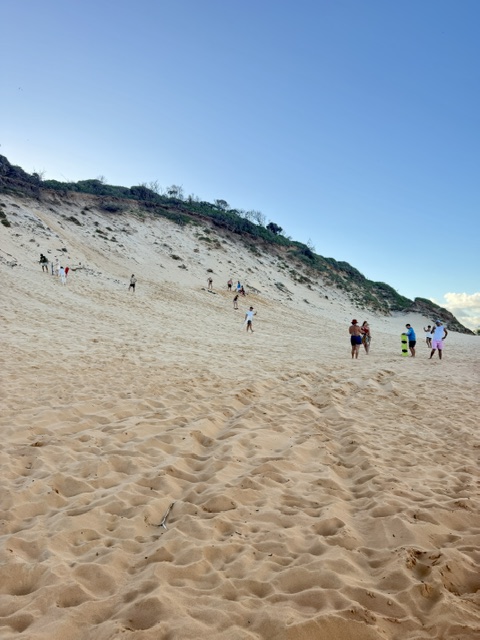
Near Cacimbinhas, there is a dune that is popular for sandboarding. Sandboards are available at the dune.
Tibau do Sul
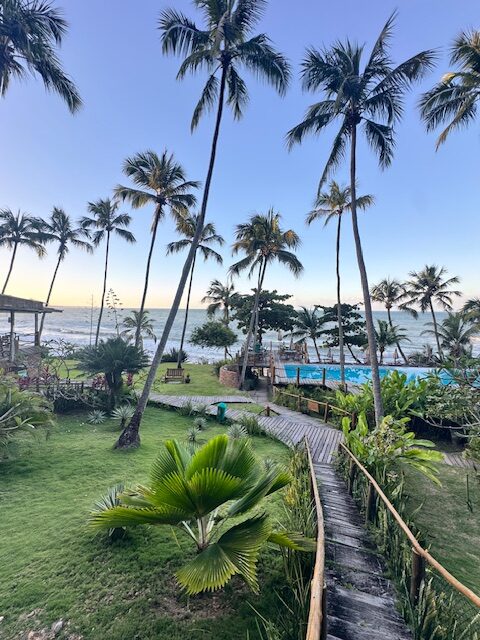
If you have time, exploring the small town of Tibau do Sul provides a break from the crowd at Pipa. It’s more relaxed and quiet here. Plus its beach, Praia do Giz, is more empty. We particularly like Ponta do Pirambu. Its grassy area, tall coconut trees and swimming pool provides another level of relaxation. Plus its restaurant setting is also nice. You do need to tackle some stairs to reach this getaway.
Tours (Passeios)
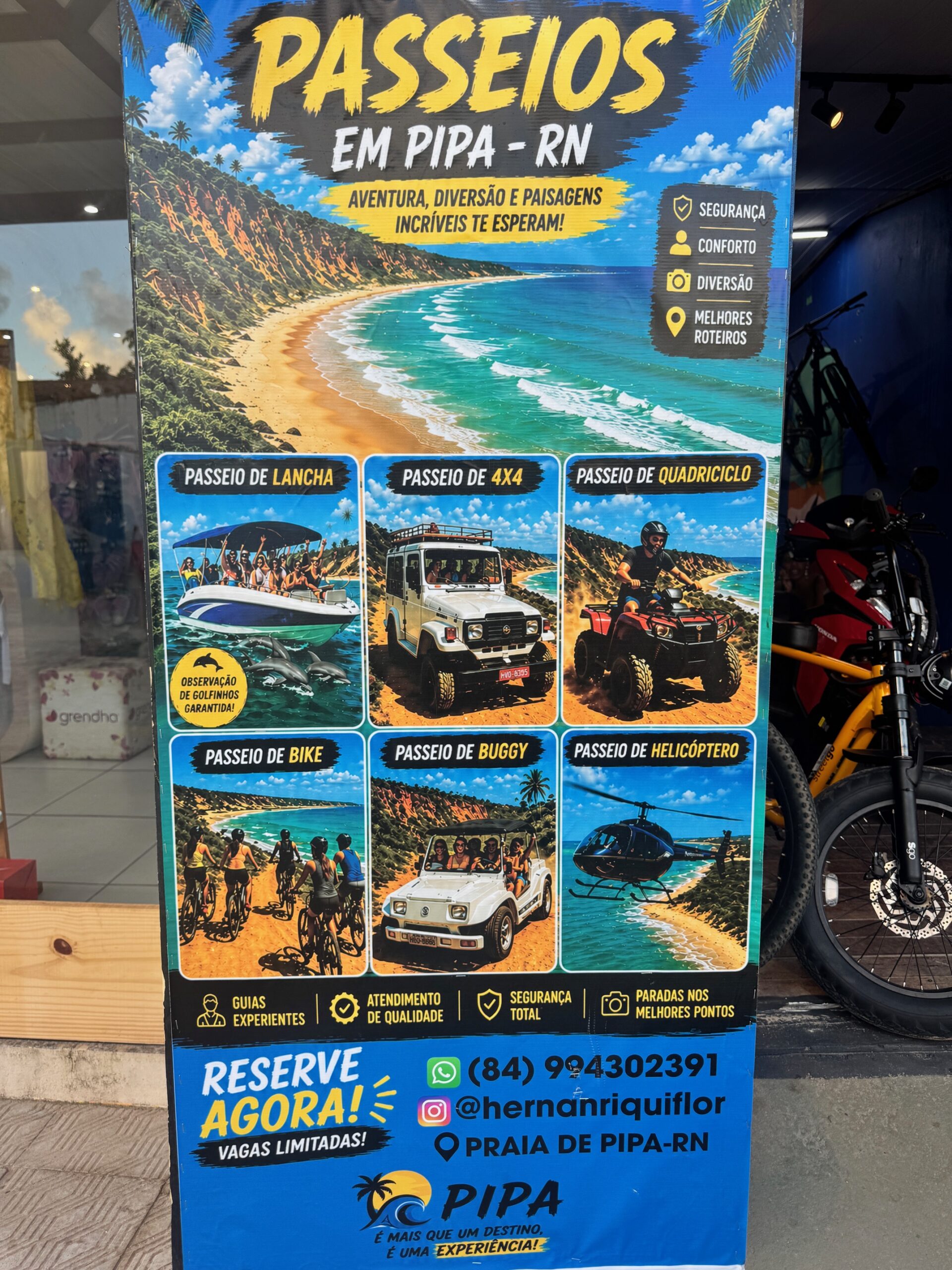
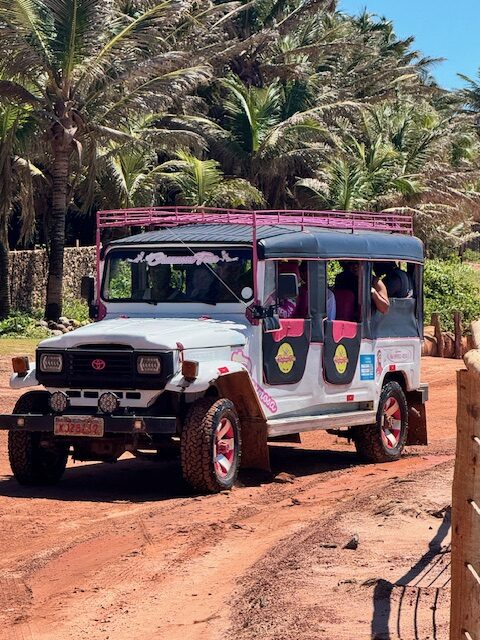
There are several tours available at Pipa. One of the most popular are the 4×4 Jeep tours. We did not join a tour as we want to be on our schedule and not on the tour operator’s schedule. However, these 4×4 tours provide access to places that are not reachable by ordinary vehicles. Case in point, we attempted to drive to Falesias de Sibauma between Chapadao and Sibauma but had to turn around because of the rough road.
Viewpoints
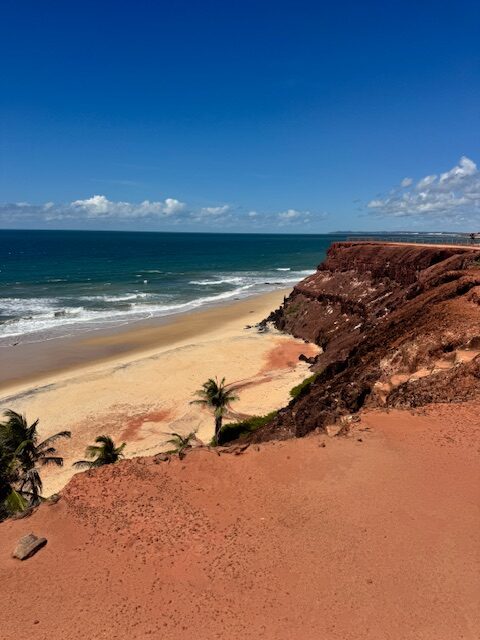
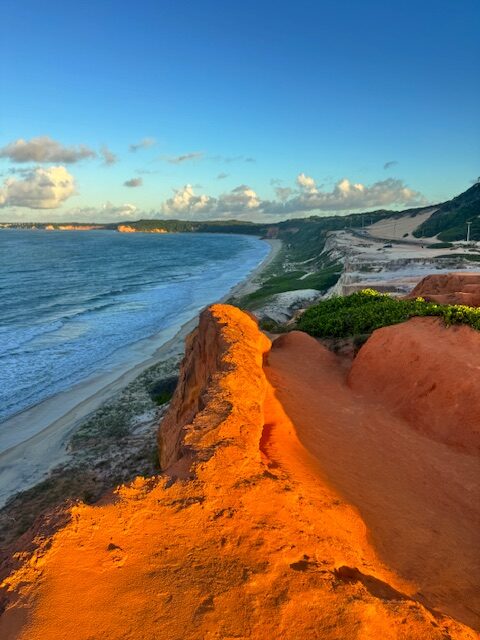
Chapadao and Cacimbinhas are the two viewpoints near Pipa. Chapadao provides a nice view of Love Beach. You can also access Love Beach from Chapadao by going through Amo Restaurante e Tapioca.
Cacimbinhas not only provided nice views of Madeiro and Pipa beaches but also has colorful rocks that transform to a brighter shade with the afternoon sun.
How To Get There
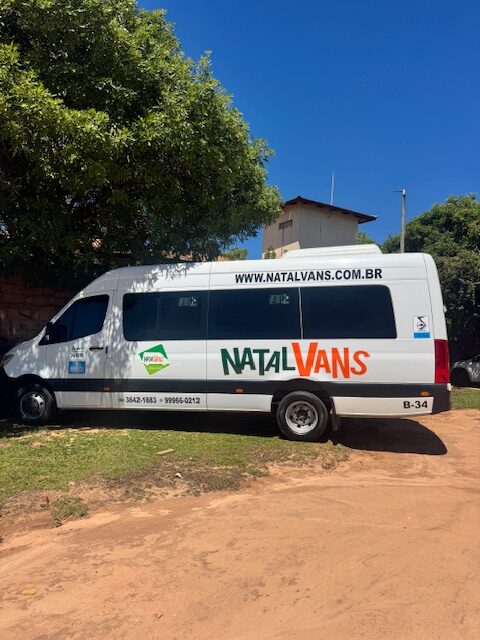
The closest airport is in the city of Natal about an hour north of Pipa. There are van transfers between Natal and Pipa.
We flew into Recife which is about four hours by car from Pipa. We picked Recife because every flight that goes to Fernando do Noronha goes through Recife.
Be Cautious If You Drive
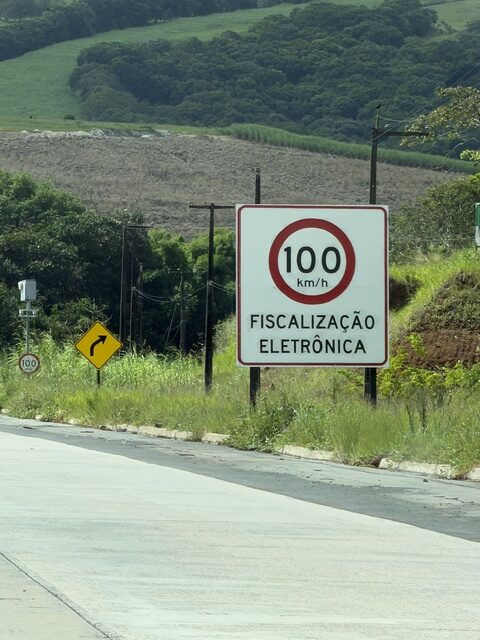
There are many speed cameras between Recife and Pipa so it’s best to pay attention to the road signs and speed limits. Normally, a sign that shows “Fiscalização eletrônica de velocidade” will be posted 100 m (330 ft) ahead of the speed camera.
As if cameras were not enough to slow down motorists, speed bumps are commonly used in Brazil, even on highways. Best to keep your eye on the road and avoid traveling at night if you do not know by heart where the speed bumps are located.
Animals such as horses, donkeys and goats pose another hazard when driving at night, especially on the way to Pipa. These domesticated animals are commonly found grazing on the roadside.
Where To Stay
If you don’t have a car or other mode of transportation, staying within walking distance of Rua dos Golfinhos would be best. This way, you’ll have easy access to restaurants, shops and beaches.
If you have a car, your lodging choices would be away from the tourist areas because parking is a premium. Also, Rua dos Golfinhos is closed to vehicular traffic every night starting around 7 PM. So you will have to pay for parking if you want to walk the town’s arterial street at night.
How To Get Around
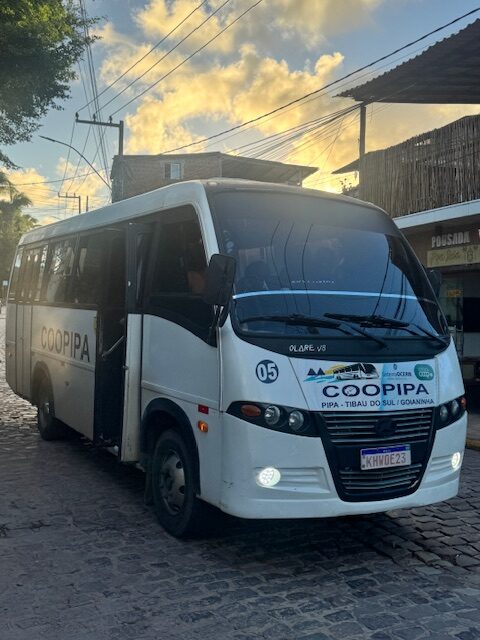
Walking is the main way to get around Pipa. It takes roughly 20 minutes to traverse Rua dos Golfinhos from one end to the other.
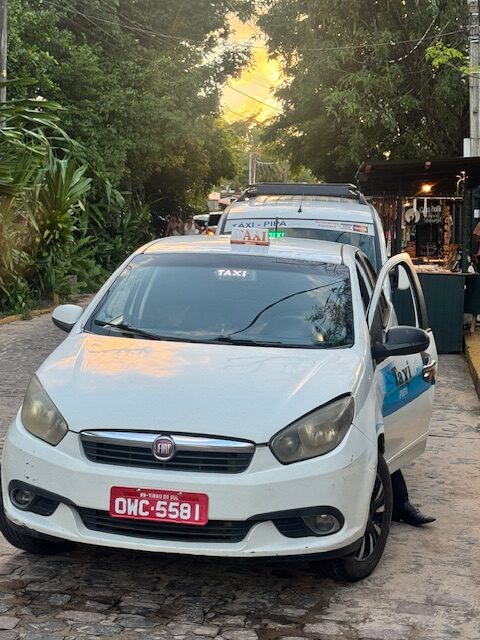
Local buses are available If you like to visit the nearby communities or Praia Madeira and Cacimbas. There are also taxis and scooters for rent.
We had a rental car and it was very convenient and inexpensive. Finding parking places was not an issue for us but did involve a walk afterwards. However, the amount of walking was totally manageable.
Expected Expenses
The only expense we had was paid parking at Ponta Negra in Natal and the entry fee to Major cajuero do Mundo. Parking was 20 BRL ($4 USD) for an entire day and the entry fee was 10 BRL ($2.50 USD) per person. The parking area accepted credit cards while it was cash only at the world’s largest cashew tree.
Stay Informed
If you want to be notified when we post a new travel story, please enter your email below. We respect your privacy. Your email is used only to notify you of new posts and is never sold or shared with third parties. You can unsubscribe at any time.
Summary
Pipa is a popular tourist destination because it offers a rare mix of beautiful beaches, outdoor adventure, nightlife, and accessibility in one compact area. Travelers can surf in the morning, take buggy rides through dunes, kayak or spot dolphins in the afternoon, and then enjoy live music and excellent seafood restaurants at night without needing long commutes.
Its warm climate throughout the year makes it attractive regardless of the season. The town is especially well known among surfers due to consistent waves and scenic beaches backed by cliffs.
Another major reason for Pipa’s popularity is its atmosphere. Pipa feels social, walkable with Brazilian beach culture. Visitors often describe it as having an easygoing vibe that appeals to couples, solo travelers, retirees, and younger travelers alike. The area also serves as a base for exploring nearby attractions such as Praia de Sibaúma and the lagoons and dunes around Tibau do Sul.
This balance of scenery, activities, nightlife, and relaxed coastal living has made Pipa one of the standout beach destinations in northeastern Brazil.